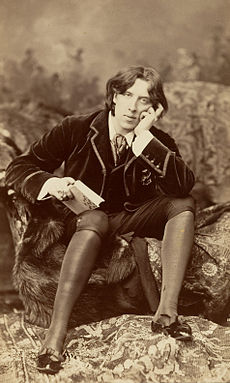
| • Dum milito estas rigardata kiel malbona, ĝi ĉiam havos sian fascinon. Kiam ĝi estos rigardata kiel vulgara, ĝi ĉesos esti populara. | • As long as war is regarded as wicked, it will always have its fascination. When it is looked upon as vulgar, it will cease to be popular. |
| • La sola maniero por forigi tenton estas cedi al ĝi. | • The only way to get rid of a temptation is to yield to it. |
| • Viroj edziĝas ĉar ili estas lacaj; virinoj ĉar ili estas scivolemaj. Ambaŭ estas elrevigitaj. | • Men marry because they are tired; women because they are curious. Both are disappointed. |
| • Sperto estas la nomo kiun ĉiu donas al siaj eraroj. | • Experience is the name everyone gives to their mistakes. |
| • Ĉiuj virinoj fariĝas kiel siaj patrinoj. Tio estas ilia tragedio. Neniu viro fariĝas tia, kaj tio estas la lia. | • All women become like their mothers. That is their tragedy. No man does, and that is his. |
| • Mi povas rezisti ĉion krom tento. | • I can resist everything except temptation. |
| • Kohereco estas la lasta rifuĝo de la senimaga. | • Consistency is the last refuge of the unimaginative. |
| • Mapon de la mondo, kiu ne inkluzivas Utopion, ne indas eĉ rigardi, ĉar ĝi forlasas la unu landon, al kiu la Homaro ĉiam alteriĝas. | • A map of the world that does not include Utopia is not worth even glancing at, for it leaves out the one country at which Humanity is always landing. |
| • Estas nur unu afero en la mondo pli malbona ol esti priparolota, kaj tio estas ne esti priparolata. | • There is only one thing in the world worse than being talked about, and that is not being talked about. |
| • Troviĝi en la socio estas nur enuo. Sed troviĝi ekster ĝi estas simple tragedio. | • To be in Society is merely a bore. But to be out of it is simply a tragedy. |
| • La teatraĵo estis granda sukceso, sed la spektantaro estis fiasko. | • The play was a great success, but the audience was a failure. |
| • Ni ĉiuj estas en la defluejo, sed kelkaj el ni rigardas la stelojn. | • We are all in the gutter, but some of us are looking at the stars. |
| • Edukado estas admirinda afero. Sed indas memori de tempo al tempo, ke nenio sciinda estas instruebla. | • Education is an admirable thing. But it is well to remember from time to time that nothing that is worth knowing can be taught. |
| • Estas absurde dividi homojn en bonajn kaj malbonajn. Homoj estas aŭ ĉarmaj aŭ tedaj. | • It is absurd to divide people into good and bad. People are either charming or tedious. |
| • La vivo estas pli grava afero ol priparoli ĝin serioze. | • Life is too much important a thing ever to talk seriously about it. |
| • La plej multaj homoj estas aliaj homoj. Iliaj pensoj estas opinioj de aliaj, ilia vivo estas imito, iliaj pasioj citaĵoj. | • Most people are other people. Their thoughts are someone else’s opinions, their life a mimicry, their passions a quotation. |
| • Ami sin mem estas la komenco de dumviva amafero. | • To love oneself is the beginning of a lifelong romance. |
| • Kio estas cinikulo? Homo, kiu konas la prezon de ĉio kaj la valoron de nenio. | • What is a cynic? A man who knows the price of everything and the value of nothing. |
| • Ho! Ne diru, ke vi konsentas kun mi. Kiam homoj konsentas kun mi, mi ĉiam sentas, ke mi nepre eraras. | • Ah! Don't say you agree with me. When people agree with me I always feel that I must be wrong. |
| • Estas tute terure kiel homoj nuntempe diras malantaŭ la dorso de aliuloj, tute verajn diraĵojn. | • It is perfectly monstrous the way people go about nowadays saying things against one, behind one's back, that are absolutely and entirely true. |
| • Mi povas kredi ion ajn ju pli tio estas nekredebla. | • I can believe anything as long as it is incredible. |
| • Estas tre facile elteni la malfacilaĵojn de malamikoj. Estas la sukcesoj de ies amikoj, kiuj estas malfacile elteneblaj. | • It is very easy to endure the difficulties of one's enemies. It is the successes of one's friends that are hard to bear. |
| • Modo estas formo de malbeleco tiel netolerebla, ke ni devas ŝanĝi ĝin post ĉiu sesa monato. | • Fashion is a form of ugliness so intolerable that we have to alter it every six months. |
| • Ne ekzistas peko krom stulteco. | • There is no sin except stupidity. |
| • La kritikisto devas eduki la publikon; la artisto devas eduki la kritikiston. | • The critic has to educate the public; the artist has to educate the critic. |
| • Estas nur du tragedioj en la vivo: la unua estas ne ricevi tion, kion oni volas, kaj la alia estas ricevi ĝin. | • There are only two tragedies in life: one is not getting what one wants, and the other is getting it. |
| • Ĉiam pardonu viajn malamikojn - nenio ĝenas ilin tiom. | • Always forgive your enemies - nothing annoys them so much. |
| • Ĉiu sanktulo havas pasintecon kaj ĉiu pekulo havas estontecon. | • Every saint has a past and every sinner has a future. |
| • Pesimisto estas iu, kiu plendas pri la bruo kiam okazo frapas surporde. | • A pessimist is somebody who complains about the noise when opportunity knocks. |
| • Kelkaj aferoj estas pli gravaj ol esti traktataj serioze. | • Some things are too important to be taken seriously. |
| • Vivo estas pli grava afero ol priparoli ĝin serioze. | • Life is far too important a thing ever to talk seriously about. |
| • La publiko estas mirinde tolerema. Ĝi pardonas ĉion krom genio. | • The public is wonderfully tolerant. It forgives everything except genius. |
| • Arto estas la sola serioza afero en la mondo. Kaj la artisto estas la ununura homo, kiu neniam estas serioza. | • Art is the only serious thing in the world. And the artist is the only person who is never serious. |
| • Infanoj komence amas siajn gepatrojn; kiam ili maljuniĝas, ili juĝas ilin; foje ili pardonas ilin. | • Children begin by loving their parents; as they grow older they judge them; sometimes they forgive them. |
| • Virinoj ekzistas por esti amataj, ne komprenataj. | • Women are meant to be loved, not to be understood. |
| • Se oni ne povas ĝui legi libron denove kaj denove, ne indas legi ĝin unufoje. | • If one cannot enjoy reading a book over and over again, there is no use in reading it at all. |
| • Mi neniam prokrastas ĝis morgaŭ tion, kion mi eble povas fari la postan tagon. | • I never put off till tomorrow what I can possibly do – the day after. |
| • Estu vi mem; ĉiuj aliaj ne estas disponeblaj. | • Be yourself; everyone else is already taken. |
| • Floro floras por sia propra ĝojo. | • A flower blossoms for its own joy. |
| • Mi petas vian pardonon ke mi ne rekonis vin - mi multe ŝanĝiĝis. | • I beg your pardon I didn’t recognize you – I’ve changed a lot. |
| • Post bona vespermanĝo oni povas pardoni ĉiujn ajn, eĉ siajn proprajn parencojn. | • After a good dinner one can forgive anybody, even one’s own relations. |
| • Amikeco estas multe pli tragika ol amo. Ĝi daŭras pli longe. | • Friendship is far more tragic than love. It lasts longer. |
| • Mi ŝatas paroli pri nenio. Tio estas la sola afero, pri kiu mi scias ion. | • I love to talk about nothing. It’s the only thing I know anything about. |
| • Ili ellitiĝas frue, ĉar ili havas tiom por fari, kaj enlitiĝas frue, ĉar ili havas tiom malmulte por pripensi. | • They get up early, because they have so much to do, and go to bed early, because they have so little to think about. |
| • Neniam amu iun ajn, kiu traktas vin kiel vi estas ordinara. | • Never love anyone who treats you like you’re ordinary. |
| • Mi estas tiel saĝa, ke foje mi ne komprenas eĉ unu vorton de tio, kion mi diras. | • I am so clever that sometimes I don’t understand a single word of what I am saying. |
| • Oni neniam fidu virinon, kiu parolas pri ŝia vera aĝo. Virino kiu parolus pri tio, parolus pri ĉio ajn. | • One should never trust a woman who tells one her real age. A woman who would tell one that would tell one anything. |
| • Ideo, kiu ne estas danĝera, ne meritas esti nomata ideo. | • An idea that is not dangerous is unworthy of being called an idea at all. |
| • Mi pli ŝatas legi librojn ol prizorgi verki ilin. | • I am too fond of reading books to care to write them. |
| • La socio ofte pardonas la krimulon, sed neniam pardonas la revanton. | • Society often forgives the criminal; it never forgives the dreamer. |
| • Laŭ mi laboro estas simple la rifuĝo de homoj, kiuj havas nenion farinda. | • Indeed I have always been of the opinion that hard work is simply the refuge of people who have nothing to do. |
| • Mi havas nenion por deklari, krom mia genio (al la dogana oficisto, enirante usonon). | • I have nothing to declare except my genius. |
| • La streĉo estas terura. Mi esperas, ke ĝi daŭros. | • The suspense is terrible. I hope it will last. |
| • La esenco mem de enamiĝo estas necerteco. | • The very essence of romance is uncertainty. |
| • Mi ne estas sufiĉe juna por scii ĉion. | • I am not young enough to know everything. |
| • Ĉiu, kiu vivas laŭ siaj rimedoj, suferas de manko de imago. | • Anyone who lives within their means suffers from a lack of imagination. |
| • La vivo neniam estas justa, kaj eble tio estas bona afero por la plimulto el ni. | • Life is never fair, and perhaps it is a good thing for most of us that it is not. |
| • Vi ne amas iun pro ilia aspekto, aŭ iliaj vestaĵoj, aŭ pro ilia luksa aŭto, sed ĉar ili kantas kanton, kiun nur vi povas aŭdi. | • You don’t love someone for their looks, or their clothes, or for their fancy car, but because they sing a song only you can hear. |
| • Konservu amon en via koro. Vivo sen ĝi estas kiel sensuna ĝardeno kiam la floroj estas mortaj. | • Keep love in your heart. A life without it is like a sunless garden when the flowers are dead. |
| • Kiu, estante amata, estas malriĉa? | • Who, being loved, is poor? |
| • Virinoj amas nin pro niaj difektoj. Se ni havas sufiĉe da ili, ili ĉion pardonos al ni, eĉ niajn grandegajn intelektojn. | • Women love us for our defects. If we have enough of them, they will forgive us everything, even our gigantic intellects. |
| • Vivi estas la plej malofta afero en la mondo. Plej multaj homoj ekzistas, jen ĉio. | • To live is the rarest thing in the world. Most people exist, that is all. |
| • Difini estas limigi. | • To define is to limit. |
| • Estas nur du specoj de homoj kiuj estas vere fascinaj: homoj kiuj scias absolute ĉion, kaj homoj kiuj scias absolute nenion. | • There are only two kinds of people who are really fascinating: people who know absolutely everything, and people who know absolutely nothing. |
| • La homaro konsideras sin tro serioze. Tio estas la origina peko de la mondo. Se la prahomo scipovus ridi, Historio estus malsama. | • Humanity takes itself too seriously. It is the world’s original sin. If the cave-man had known how to laugh, History would have been different. |
| • La libroj, kiujn la mondo nomas malmoralaj, estas libroj, kiuj montras al la mondo lian propran honton. | • The books that the world calls immoral are books that show the world its own shame. |
| • Mi ne volas perlabori mian vivon, mi volas vivi. | • I don’t want to earn my living, I want to live. |
| • La mondo estas dividita en du klasojn, tiuj kiuj kredas la nekredeblan, kaj tiuj kiuj faras la neverŝajnan. | • The world is divided into two classes, those who believe the incredible, and those who do the improbable. |
| • Kelkaj kaŭzas feliĉon kien ajn ili iras; aliaj kiam ajn ili foriras. | • Some cause happiness wherever they go; others whenever they go. |
| • Mi ne volas iri al la ĉielo. Neniu el miaj amikoj estas tie. | • I don’t want to go to heaven. None of my friends are there. |
| • La sola farinda afero kun bonaj konsiloj estas transdoni ilin. Ili neniam utilas al vi mem. | • The only thing to do with good advice is pass it on. It is never any use to oneself. |
| • Moralo estas simple la sinteno, kiun ni adoptas al homoj, kiujn ni persone malŝatas. | • Morality is simply the attitude we adopt towards people whom we personally dislike. |
| • Se vi volas diri al homoj la veron, ridigu ilin, alie ili mortigos vin. | • If you want to tell people the truth, make them laugh, otherwise they’ll kill you. |
| • Kiam mi estis juna mi pensis, ke mono estas la plej grava afero en la vivo; nun, kiam mi estas maljuna, mi scias, ke ĝi estas tia. | • When I was young I thought that money was the most important thing in life; now that I am old I know that it is. |
| • Geedziĝo estas la venko de imago super inteligenteco. Dua geedziĝo estas la venko de espero super sperto. | • Marriage is the triumph of imagination over intelligence. Second marriage is the triumph of hope over experience. |
| • La taŭga bazo de geedziĝo estas reciproka miskompreno. | • The proper basis for marriage is a mutual misunderstanding. |